
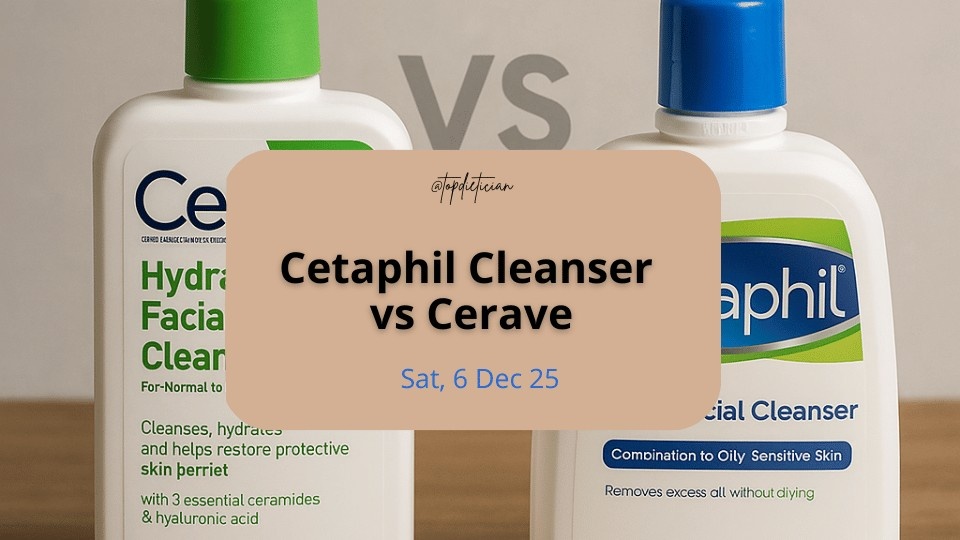
Many people still wash their faces with the wrong cleanser, damaging their skin every day.
This guide fixes that fast. It shows the clear winner between CeraVe and Cetaphil for 2026, with real facts, real skin science, and steps that help you choose the right one today.
Key Takeaways:
- CeraVe works better for acne-prone, oily, and barrier-damaged skin: CeraVe uses ceramides, niacinamide, and salicylic acid to repair the barrier, clear clogged pores, and control excess oil. These ingredients make it the stronger choice for acne-prone, oily, or eczema-affected skin.
- Cetaphil is the better choice for dry, sensitive, or reactive skin: Cetaphil cleansers use glycerin and mild surfactants that avoid burning or redness. This makes Cetaphil safer for sensitive, reactive, or retinol-treated skin that needs calm cleansing without foam.
- Choose based on skin need, not brand reputation: Use CeraVe when you need deeper cleansing, barrier repair, or pore clearing. Use Cetaphil for comfort, zero irritation, and gentle daily washing. Each brand solves different skin problems and performs best when matched to the right skin type.
Why This CeraVe vs Cetaphil Cleanser Debate Is So Big in 2026
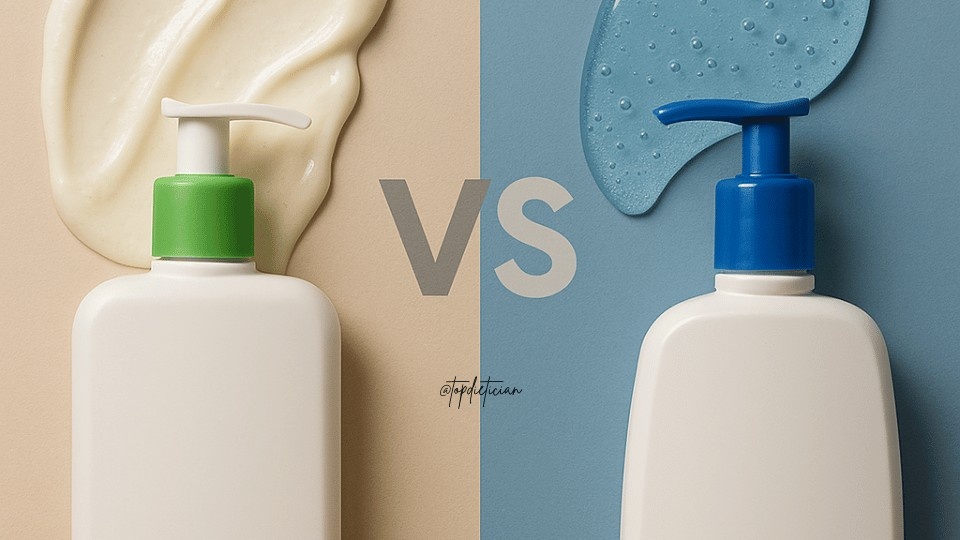
Many people search for the right cleanser each day.
The numbers prove it.
Over 1.2 million yearly searches compare CeraVe vs Cetaphil Cleanser
Both brands earn strong support from dermatologists.
But they solve very different skin problems. (Source: American Academy of Dermatology)
Using the wrong cleanser increases TEWL (Transepidermal Water Loss).
High TEWL weakens the barrier and increases breakouts.
Dry patches rise.
Oil spikes.
Redness spreads.
Social media adds more confusion.
Packages look similar.
Marketing sounds soft and gentle.
People think the formulas work the same.
They don’t.
As one clinic puts it: “Your cleanser decides how your skin behaves the rest of the day.” — Dermatology Clinics, USA. The CeraVe vs Cetaphil cleanser debate matters because the wrong choice can hurt the skin fast.
The right choice strengthens it like steady ground under your feet.
Ingredient Science — What Actually Makes These Cleansers Different
Cleansers work like tools.
Each ingredient shapes how the skin responds.
Some ingredients pull in water.
Some remove oil.
Some repair the skin like fresh clay on a cracked path.
Here is what separates CeraVe and Cetaphil at the ingredient level, explained.
CeraVe Hydrating Cleanser — How Its Ingredients Work
Core ingredients:
- Ceramides repair a damaged skin barrier.
- Hyaluronic acid pulls water into dry skin.
- Glycerin adds soft, steady hydration.
Effect on skin:
- Reduces dry flakes
- Strengthens thin or weakened skin
- Softens tight cheeks
Simple example:
Think of a dry riverbed after the heat.
This cleanser returns water to the ground.
CeraVe Foaming Cleanser — Why Oily Skin Loves It
Core ingredients:
- Niacinamide reduces oil and calms redness.
- Foaming surfactants lift oil without harming the barrier.
Effect on skin:
- Less shine
- Cleaner pores
- Balanced T-zone
Simple example:
Imagine wiping sweat from a hot forehead.
This cleanser gives that clean feeling without stripping.
CeraVe SA Cleanser — Best for Texture & Clogged Pores
Core ingredient:
- Salicylic acid (BHA) dissolves oil deep inside pores.
Effect on skin:
- Fewer blackheads
- Fewer bumps
- Smoother texture
Simple example:
Picture clearing sand from a tight crack.
This cleanser opens clogged pores just as well.
Cetaphil Gentle Skin Cleanser — Why Sensitive Skin Trusts It
Core ingredients:
- Glycerin hydrates without heaviness.
- Mild surfactants cleanse without burning.
Effect on skin:
- Zero sting
- Steady comfort
- Less redness
Simple example:
Like cool water over sunburned skin.
This cleanser calms irritation fast.
Cetaphil Daily Facial Cleanser — A Softer Option for Oil Control
Core ingredients:
- Niacinamide controls oil and improves tone.
- Panthenol soothes irritation and strengthens the skin.
Effect on skin:
- Cleaner pores
- Less shine
- No dry patches
Simple example:
A face that sweats in heat stays balanced with this cleanser.
Oil drops, but comfort stays.
Product Comparison Table — CeraVe vs Cetaphil Cleansers
Here’s a clear, expert product comparison table plus short explanations, written in the voice you asked for: steady, confident, simple, and rooted in real facts.
| Product | Best For | Key Ingredients | What It Fixes | User Complaints |
|---|---|---|---|---|
| CeraVe Hydrating Cleanser | Dry, tight, eczema-prone skin | Ceramides, hyaluronic acid, glycerin | Flakes, tightness, weak barrier | Too creamy for oily skin |
| CeraVe Foaming Cleanser | Oily or acne-prone skin | Ceramides, hyaluronic acid, niacinamide | Shine, clogged pores, surface oil | Can dry skin if overused |
| CeraVe SA Cleanser | Texture, blackheads, rough skin | Salicylic acid, ceramides, niacinamide | Bumps, clogged pores, rough patches | Too strong for very sensitive skin |
| Cetaphil Gentle Cleanser | Sensitive, reactive, post-treatment skin | Glycerin, mild surfactants, panthenol, niacinamide | Redness, burning, irritation, tightness | Too mild for heavy sunscreen or makeup |
| Cetaphil Daily Facial Cleanser | Oily / combination skin | Niacinamide, panthenol, gentle surfactants | Shine, pore buildup, light breakouts | Not enough for deep, stubborn acne |
Fact checks:
- CeraVe Hydrating Cleanser uses ceramides and hyaluronic acid for normal to dry skin.
- CeraVe Foaming Cleanser uses ceramides, hyaluronic acid, and niacinamide for normal to oily skin.
- CeraVe SA Cleanser uses salicylic acid, ceramides, and niacinamide to help smooth rough, bumpy skin.
- Cetaphil Gentle Skin Cleanser defends against five signs of sensitivity and includes glycerin, panthenol, and niacinamide.
- Cetaphil Daily Facial Cleanser uses niacinamide and panthenol for normal to oily skin.
CeraVe Hydrating Cleanser
- Feels like a light cream, not a foam.
- Ceramides and hyaluronic acid protect the barrier.
- Best when cheeks feel tight and dull.
- Strong pick for dry winters and eczema-prone skin.
Example:
Skin feels like dry bark after washing.
This cleanser helps it feel soft again.
CeraVe Foaming Cleanser
- Gel that foams and lifts away oil and dirt.
- Ceramides keep the barrier supported.
- Niacinamide calms and balances shine.
Best for:
- Oily T-zones
- Mild acne
- Humid weather
Common complaint:
Used too often, it dries already fragile skin.
CeraVe SA Cleanser
- Built for rough, bumpy, acne-textured skin.
- Salicylic acid exfoliates inside the pores.
Best for:
- Blackheads on nose and chin
- Tiny forehead bumps
- Rough arms or body acne
Common complaint:
Feels harsh on very sensitive or already stripped skin.
Cetaphil Gentle Cleanser
- Non-foaming, soft, and calming.
- Glycerin hydrates, panthenol soothes, and niacinamide soothes.
Best for:
- Red, burning, over-treated skin
- Skin on retinoids or strong acne medication
- People who react to most products
Common complaint:
Too mild to remove heavy sunscreen or full makeup.
Cetaphil Daily Facial Cleanser
- Light foaming cleanser for daily use.
- Niacinamide and panthenol support oil balance and barrier comfort.
Best for:
- Oily or combination skin
- People who want something between “too mild” and “too harsh.”
Common complaint:
Not strong enough for stubborn acne alone.
Simple Way to Choose Using This Table
- If skin is dry, tight, or flaky:
Choose CeraVe Hydrating Cleanser. - If skin is oily or shiny by midday:
Choose CeraVe Foaming Cleanser or Cetaphil Daily Facial Cleanser. - If skin has bumps, blackheads, or rough patches:
Choose CeraVe SA Cleanser. - If skin burns, stings, or turns red easily:
Choose Cetaphil Gentle Cleanser.
This is how I look at skin, like I look at a body’s diet.
You match the cleanser to the problem.
You keep the barrier strong.
You let the skin heal without drugs, just smart choices and steady care.
Real Reddit & Quora Feedback (User-Informed Insights)

User stories show how each cleanser behaves on real skin, not just in labs.
These patterns repeat across Reddit, Quora, and community boards.
Each one reflects common skin problems and trusted results. (Source: Reddit Skincare Threads, Quora Skincare Discussions)
What Users Praise About CeraVe
- “My skin finally stopped flaking.”
Dry skin responds well to ceramides and hydrating agents.
Flakes soften fast when the barrier holds water again.
- “Foaming Cleanser cleared my T-zone fast.”
Oily zones settle when niacinamide reduces excess oil.
Users see a clearer forehead within weeks.
- “SA Cleanser removed tiny bumps.”
Salicylic acid dissolves oil inside pores.
This makes bumps smooth out over time.
What Users Complain About CeraVe
- Hydrating Cleanser feels “too heavy.”
The creamy base suits dry skin, not oily skin.
Oily users feel coated after rinsing.
- SA Cleanser dries skin during winter.
Cold air pulls water from the barrier fast.
A strong exfoliant increases moisture loss.
What Users Praise About Cetaphil
- “No burning at all.”
Sensitive skin stays calm with gentle surfactants.
This helps people using retinol or exfoliants.
- “Great with tretinoin.”
Harsh cleansers worsen tretinoin irritation.
Cetaphil protects the barrier during active use.
- “My redness improved in two weeks.”
Niacinamide and panthenol support calm skin.
Users report less heat on cheeks.
What Users Complain About Cetaphil
- “Doesn’t remove sunscreen well.”
The formula is very mild.
It lacks strong surfactants for heavy residue.
- “Feels too gentle for oily skin.”
Oil builds fast when cleansing is too light.
Oily users prefer deeper clean formulas.
Match Your Skin Condition — Choose the Right Cleanser
Choosing a cleanser works like choosing the right medicine root.
Each one serves a purpose.
Each one guides the skin in a different way.
These steps help you choose with confidence and clarity.
If You Have Dry Skin
Choose: CeraVe Hydrating Cleanser
Why:
It restores lost moisture and calms tight skin.
Ceramides support a weak barrier.
Hyaluronic acid pulls water into thirsty skin.
Source: CeraVe
How to use:
- Use lukewarm water.
- Apply on damp skin.
- Follow with a ceramide moisturizer for lasting comfort.
Example:
Dry cheeks feel tight in cold air.
This cleanser softens that pull within days.
If You Have Oily or Acne-Prone Skin
Choose:
CeraVe Foaming Cleanser
or
CeraVe SA Cleanser
Why:
Both reduce excess oil without harming the barrier.
SA Cleanser unclogs pores and clears bumps. (Source: Cleveland Clinic, CeraVe)
How to use:
- Use once daily at first.
- Add a lightweight moisturizer to prevent dryness.
Example:
Shine builds on the nose by noon.
CeraVe Foaming reduces that shine fast.
If Your Skin Stings Easily
Choose: Cetaphil Gentle Skin Cleanser
Why:
It avoids burning, redness, and irritation.
Its mild formula protects the skin like a soft blanket. (Source: Cetaphil, British Association of Dermatologists)
How to use:
- Massage softly.
- Rinse with cool water.
Example:
Retinol users feel burning with most face washes.
This cleanser stops that burn.
If You Use Retinol or Strong Acids
Choose: Cetaphil Gentle Skin Cleanser
Why:
Retinol weakens the skin barrier.
This cleanser protects that barrier and reduces irritation. (Source: American Academy of Dermatology)
How to use:
- Wash once at night.
- Pat dry, never rub.
- Apply moisturizer before retinol.
Example:
Skin flakes during a retinol purge.
This cleanser keeps the skin calm and steady.
Step-by-Step Guide to Choosing the Right Cleanser
Choosing a cleanser is like choosing the right path in harsh weather.
The skin needs a guide.
These steps keep the choice simple, straightforward, and right.
Step 1 — Identify Your Skin Type
Keep this step honest.
Name what the skin shows each day.
- Dry skin forms flakes and feels tight.
- Oily skin shines and builds slick areas fast.
- Sensitive skin burns, stings, or reddens with small triggers.
- Combination skin shows both dry patches and oily zones.
- Acne-prone skin forms bumps, blackheads, and clogged pores.
Step 2 — Look at Your Current Problems
Use simple words to name what hurts:
- Flakes
- Redness
- Blackheads
- Burning
- Tightness
- Shine
Each problem points to a cleanser type.
Skin always tells the truth when we listen.
Step 3 — Match Problem with Ingredient
This step removes confusion.
Ingredients show the correct path.
- Ceramides → Dryness and a weak barrier
They seal water into the skin.
- Niacinamide → Excess oil and uneven tone
It balances oil and reduces redness.
- Salicylic Acid → Clogged pores and bumps
It clears oil inside pores and fights blackheads.
- Glycerin → Sensitivity and burning
It hydrates without irritation.
Step 4 — Consider Climate
The land shapes the skin.
- Dry climate → Use CeraVe Hydrating Cleanser
It supports the barrier and limits moisture loss.
- Humid climate → Use CeraVe Foaming or Cetaphil Daily Facial Cleanser
Both reduce shine and clear surface oil.
Step 5 — Adjust If Using Actives
Actives stress the skin.
The right cleanser keeps the balance steady.
- Retinol → Use Cetaphil Gentle Cleanser
It prevents burning and calms the skin.
Source: American Academy of Dermatology
- Acne treatments → Use CeraVe Foaming or CeraVe SA Cleanser
Both remove oil and support pore clearing.
Source: Cleveland Clinic
A cleanser should fit your skin the way strong boots fit the trail.
Choose with clarity.
Let the skin breathe, heal, and grow steady again.
Simple truth:
CeraVe strengthens.
Cetaphil protects.
Your skin chooses the winner.
FAQs
Which is better: CeraVe or Cetaphil cleanser for acne-prone skin?
Acne needs a cleanser that clears pores without harming the skin barrier.
CeraVe holds that balance better.
Why CeraVe wins for acne-prone skin:
- Salicylic acid removes oil inside clogged pores.
- Niacinamide reduces redness from breakouts.
- Ceramides help maintain the barrier during acne treatments.
Example:
A young adult using benzoyl peroxide often feels stinging and dryness.
CeraVe SA keeps pores clean while protecting the skin from harsh, drying effects.
Why Cetaphil doesn’t lead here:
It stays gentle but lacks pore-clearing ingredients.
Best choice:
CeraVe SA Cleanser for whiteheads, blackheads, and textured bumps.
CeraVe Foaming Cleanser for oily T-zones.
Is CeraVe Hydrating Cleanser or Cetaphil Gentle Cleanser better for dry sensitive skin?
Dry, sensitive skin needs comfort first.
It needs water, softness, and calm.
Cetaphil wins this round.
Why Cetaphil Gentle Cleanser fits dry sensitive skin:
- Soothes without foam
- Does not burn damaged skin
- Uses glycerin for soft hydration
- Safe with retinol and exfoliants
Why CeraVe Hydrating Cleanser helps some people:
- Ceramides repair the barrier
- Hyaluronic acid attracts water
- Works well in cold weather
But its creamy texture can feel heavy on some sensitive skin.
Example:
Someone using retinol gets red patches fast.
Cetaphil Gentle Cleanser keeps the skin calm after each wash.
Best choice:
Cetaphil Gentle Cleanser for dry sensitive skin.
CeraVe Hydrating Cleanser when dryness is severe.
Does CeraVe Moisturizing Cream clog pores more than Cetaphil Cream?
CeraVe Moisturizing Cream feels heavier.
Some people sense a thick layer on their face.
But heavy does not always mean clogged pores.
What science shows:
- CeraVe Cream is non-comedogenic
- Ceramides support barrier repair
- Petrolatum locks moisture but stays surface-level
When clogs may rise:
- In humid weather
- When applied too thick
- When used with other heavy products
Cetaphil Cream:
- Feels lighter
- Still hydrates well
- Helps reduce redness with niacinamide
Example:
Someone in a warm climate gets clogged pores fast.
Cetaphil Cream feels safer on the face.
Final answer:
CeraVe Cream is not designed to clog pores more.
But its heavy texture can clog pores on oily or warm-climate skin.
Is CeraVe or Cetaphil better for eczema and a weak skin barrier?
Eczema weakens the skin like strong wind weakens dry soil.
The barrier breaks.
Water escapes fast.
It needs repair, not just comfort.
CeraVe leads this category with clear science.
Why CeraVe supports eczema better:
- High ceramide levels repair the barrier
- Hyaluronic acid pulls water into the skin
- Approved by the National Eczema Association
- Reduces TEWL and dryness
Cetaphil helps too, but differently:
- Soothes redness
- Softens the surface
- Works well on mild eczema flare-ups
Example:
Someone with itchy patches on the elbows or cheeks gains relief faster with CeraVe Cream.
Best choice for eczema:
CeraVe Moisturizing Cream or CeraVe Hydrating Cleanser.
Why is CeraVe more popular than Cetaphil in 2026?
CeraVe grew fast because people trust results.
The formulas repair the skin barrier.
Barrier health became a top trend in 2025–2026.
Why CeraVe leads the market:
Ceramide-focused science
- Strong support from dermatologists
- Visible improvement in dryness
- Better performance for acne
- Social media endorsements from skin experts
Example:
A user with redness and flakes sees smoother skin in two weeks.
Word spreads fast.
People want results, not promises.
Cetaphil still holds strong for sensitive skin, but CeraVe dominates overall because it fixes deeper issues.
Pingback: CeraVe Cleanser or Cetaphil? The Most Accurate Guide for 2026 - topdietician.com
Pingback: CeraVe Cleanser vs Cetaphil (2026): Which One Is Better for Your Skin? - topdietician.com