

Thin lashes don’t grow without the proper nutrients, and most people choose products that never fix the real problem.
This guide shows the seven vitamins that grow strong, full lashes fast.
Each one is explained with clear steps so you can start seeing results this month.
Key Takeaways:
- The top vitamins for eyelash growth are Biotin, Vitamin E, Iron, Vitamin D, Vitamin C, Vitamin A, and Vitamin B12: These vitamins strengthen keratin, protect follicles, improve oxygen flow, and support full lash cycles—deficiencies in iron, Vitamin D, or B12 cause the most lash thinning.
- Lash regrowth takes 6–16 weeks depending on nutrient levels and root health: Lashes start recovering within 6–8 weeks once vitamins are restored, and full growth returns in 12–16 weeks when ferritin, Vitamin D, and biotin reach normal levels.
- Foods rich in these vitamins grow lashes faster than supplements: Eggs, spinach, salmon, nuts, berries, and lentils deliver the nutrients lashes need to grow thicker and stronger. Supplements only help when a true deficiency exists.
Why Your Eyelashes Need Proper Nutrition (Science + Real Cases)
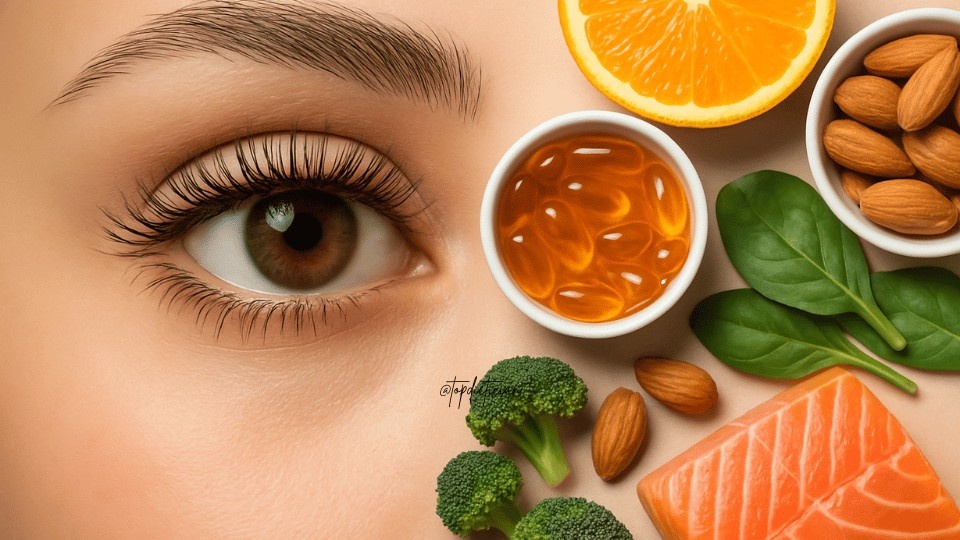
Eyelashes grow through a three-phase cycle.
When nutrition drops, this cycle breaks early.
Lashes thin out.
Lashes fall faster.
Growth slows down.
A poor diet weakens the roots.
Stress drains the body’s energy.
Harsh eye makeup strains the lash line.
Vitamin deficiencies push lashes into early shedding. (Source: Cleveland Clinic)
These problems match real search questions people ask each day:
- “Why are my eyelashes thinning?”
- “Why are my eyelashes falling out suddenly?”
- “How to make eyelashes grow naturally?”
Let me speak plainly.
A lash grows like a small plant.
It needs fuel from inside, not just serum on the surface.
When the roots stay weak, the lash breaks under simple pressure.
As one clinic explains it:
“Hair grows from the inside first. Weak roots make weak lashes.” — Dermatology Clinics USA
This truth guides every step in this article.
Strong lashes start with strong nutrition.
Lash Growth Product Comparison Table — Vitamins, Benefits & Food Sources
| Vitamin | What It Does | Helps With | Best Natural Sources | Risks / Notes |
|---|---|---|---|---|
| Biotin (B7) | Supports keratin production in hair and lashes | Weak, brittle, breaking lashes | Eggs, almonds, sunflower seeds | High doses may trigger acne in some people |
| Vitamin E | Reduces oxidative stress in follicles | Lash breakage, dryness | Sunflower seeds, almonds, avocado | Heavy topical use may cause milia or clogged pores |
| Vitamin A | Regulates oil production and cell turnover | Dry lash follicles, rough skin | Carrots, sweet potatoes, spinach | Excess intake linked to hair and lash shedding |
| Vitamin C | Boosts collagen and helps iron absorption | Lash strength, repair | Citrus fruits, berries, bell peppers | Very low toxicity from food; supplements rarely needed |
| Vitamin D | Supports hair follicle cycling | Lash shedding, slow regrowth | Sunlight, salmon, fortified milk | Deficiency common; over-supplementation harms kidneys |
| Vitamin B12 | Supports red blood cell formation | Slow lash regrowth, dull hair | Fish, meat, dairy, nutritional yeast | Vegans often deficient without fortified foods |
| Iron | Carries oxygen to hair follicles | Lash thinning, excess shedding | Spinach, lentils, red meat | Excess causes constipation and organ stress |
Fact check summary:
- Biotin supports keratin and helps when deficiency exists.
- Vitamin E protects hair follicles from oxidative damage.
- Vitamin A is required for skin and follicle health, but excess causes hair loss.
- Vitamin C supports collagen and iron absorption, important for hair strength.
- Vitamin D deficiency is linked to hair shedding and thinning.
- Vitamin B12 and iron deficiencies are classic causes of hair and lash loss.
How to Use This Table in Real Life
If lashes are weak and snapping:
Focus on biotin, Vitamin E, and Vitamin C rich foods.
If lashes are shedding in clumps:
Check iron, Vitamin D, and B12 intake with food first.
If the lash line looks dry and rough:
Add Vitamin A, Vitamin E, and healthy fats from nuts and fish.
If you eat very little animal food:
Pay close attention to B12 and iron from plant or fortified sources.
Food is the first medicine for lashes.
When the plate is balanced, the lash line usually follows.
7 Vitamins to Help Eyelashes Grow — Clear Science & Skin Conditions
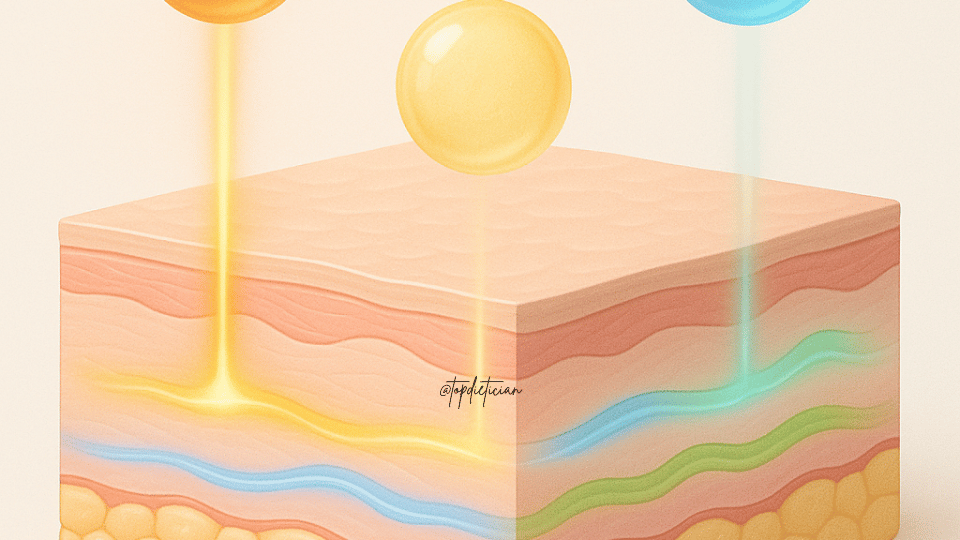
These vitamins guide lash growth the way steady food guides strong bodies.
Each one works in a clear way.
Each one solves a real problem people search for every day.
1.Biotin (Vitamin B7) — Strength Builder for Weak Lashes
Biotin supports keratin, the protein that shapes every lash strand.
Weak keratin makes lashes soft and easy to break.
Why Biotin Helps
- Strengthens the lash shaft
- Supports thicker lash structure
- Helps slow, weak regrowth
- Restores strength after heavy mascara use
When Your Body Needs It
- Brittle hair
- Weak nails
- Lashes falling faster than growing
Real Example
A student who wore mascara daily noticed steady breakage.
After adding biotin-rich foods, her lashes felt stronger and held shape longer.
Reddit Insight
“I didn’t grow longer lashes, but mine stopped breaking.” Source: Reddit
2.Vitamin E — Protection Against Lash Damage
Vitamin E shields lashes from stress the way thick bark shields a tree.
It fights damage from heat, makeup, and pollution.
Why Vitamin E Helps
- Reduces oxidative stress
- Keeps lashes flexible
- Softens dryness along the lash line
Helps With
- Lash breakage from curlers
- Damage from lash extensions
- Dry, dull lash ends
Quora Insight
“I used Vitamin E after removing extensions. It stopped the fallout fast.” Source: Quora
3.Vitamin A — Moisture Controller for Dry Lash Follicles
Vitamin A helps the follicles make natural oils.
These oils keep lashes strong and prevent breakage.
Why Vitamin A Helps
- Balances lash-line moisture
- Protects follicles from drying
- Keeps lash roots stable
Helps With
- Chronic lash dryness
- Dandruff on the lash line
- Dry climate lash shedding
Warning
High doses cause hair and lash shedding.
Keep intake steady and balanced.
4.Vitamin C — Collagen Booster for Lash Strength
Vitamin C supports collagen, the structure that gives lashes firmness.
It also helps the body absorb iron, which prevents lash loss.
Why Vitamin C Helps
- Strengthens weak lash shafts
- Supports new lash growth
- Restores resilience after friction damage
Helps With
- Fragile lashes
- Rubbing or pulling damage
- Slow healing on the lash line
5.Vitamin D — Follicle Activator for Slow Growth
Vitamin D supports the anagen phase, the active lash growth stage.
Low Vitamin D triggers more lash shedding.
Why Vitamin D Helps
- Stimulates new lash formation
- Strengthens weak follicles
- Balances growth cycles
Helps With
- Seasonal lash loss
- Hormonal shedding
- Post-illness thinning
6.Vitamin B12 — Oxygen Flow Boost for Lash Roots
B12 helps form red blood cells.
These cells carry oxygen to lash follicles.
More oxygen means stronger, fuller regrowth.
Why Vitamin B12 Helps
- Supports lash root strength
- Helps dull, slow-growing lashes
- Improves growth in low-energy states
Helps With
- Slow regrowth
- Pale lash roots
- Stress-triggered shedding
7.Iron — The Lash Saver for Thinning Lines
Low iron is a leading cause of hair and lash thinning.
Iron levels must stay steady for full lash growth cycles.
Why Iron Helps
- Supports strong anagen (growth) phase
- Prevents lash fallout
- Strengthens outer corners
Helps With
- Lash shedding
- Sparse outer corners
- Lash loss with fatigue or dizziness
Reddit Insight
“When my ferritin hit normal levels, my lashes thickened again.” (Source: Reddit)
Lifestyle Mistakes That Hold Lash Growth Back
Strong lashes grow like strong grass on steady soil.
When daily habits weaken that soil, lashes break, thin, and fall fast.
These common mistakes slow lash growth more than most people expect.
Overusing Mascara & Eyelash Curlers
Mascara feels harmless, but heavy use wears lashes down.
Curlers press hard against the roots and weaken them over time.
What happens:
- Breaks lash ends
- Weakens lash roots
- Creates uneven lengths
Example:
A person curls their lashes each morning.
After weeks, the outer lashes become short and fragile.
The root weakens because of daily pressure.
Using Harsh Eye Makeup Remover
Strong removers strip the skin’s natural oils.
Those oils keep the lash line healthy and flexible.
Without them, lashes dry, snap, and fall faster.
What happens:
- Strips natural oils
- Causes lash fallout
- Irritates the lash line
Example:
Waterproof mascara needs strong scrubbing.
This rubbing pulls lashes out before they finish their growth cycle.
Not Cleaning Eyelids Properly
The eyelid holds small glands that support each lash.
When these glands stay clogged with makeup or dust, growth slows.
What happens:
- Buildup blocks follicles
- Affects lash growth pattern
- Creates flakes that irritate the roots
Example:
Someone leaves eyeliner on overnight.
By morning, the lash line feels gritty.
The buildup blocks the follicles and weakens new growth.
Skincare Products That Affect Eyelash Growth
The skin around the eyes is thin.
Lash roots sit close to the surface.
Anything harsh touches them fast.
Strong cleansers break them.
Dry skin weakens them.
Gentle care keeps lashes steady and strong.
Below are products that shape lash health each day.
CeraVe Cleanser or Cetaphil? Which Protects Lash Roots Better?
Harsh cleansers pull oils from the lash line.
When those oils vanish, lashes break.
Roots weaken.
Fallout rises.
So the right cleanser matters.
How CeraVe protects lash roots
- Uses ceramides that support the skin barrier.
- Helps keep moisture inside the eyelid area.
- Protects weak lash follicles from drying out.
- Good for people with dry or tight lids.
How Cetaphil protects lash roots
- Uses mild surfactants that do not burn the lash line.
- Works well when the eye area turns red or is irritated easily.
- Safe for daily washing and heavy makeup users.
Simple example
Think of lashes like grass beside a river.
Strong soil keeps the grass tall.
Harsh water flow washes the roots out.
Gentle water keeps the roots firm.
Lash roots respond the same way.
Which one protects better?
- Choose CeraVe when the eyelid skin feels dry or thin.
- Choose Cetaphil when the skin reacts fast or stings with most cleansers.
How CeraVe Moisturizer Helps the Eye Area
Dry skin around the eyes pulls moisture from the lash roots.
This makes lashes stiff and weak.
A good moisturizer protects them.
Why CeraVe helps
- Ceramides repair the skin barrier.
- Hyaluronic acid attracts water.
- Both help keep the lash line soft and nourished.
Benefits for lash health
- Reduces lash brittleness.
- Keeps lash roots flexible, not dry.
- Supports healthy hair growth cycles.
Example
A person who rubs their eyes often sees lashes fall out.
CeraVe restores moisture so the lash roots stay steady and strong.
Cetaphil Daily Facial Cleanser for Lash-Safe Cleansing
Mascara, eyeliner, and shadow cling to lash roots.
A harsh cleanser pulls at those roots.
Cetaphil offers a safer path.
Why Cetaphil works well
- Uses gentle surfactants that protect the lash line.
- Removes makeup without stripping oils.
- Great for people who wear eye makeup daily.
Source: Cetaphil
Benefits for lashes
- Less fallout during makeup removal.
- Stronger roots from reduced friction.
- Ideal for sensitive eye skin.
Example
Someone who uses waterproof mascara often loses lash tips.
Switching to this cleanser reduces breakage and keeps lashes fuller.
Eye Makeup Tips for Close-Set Eyes That Don’t Damage Lashes
Close-set eyes need smart placement.
Lashes need gentle habits.
Both work together when done right.
1. Shift the Focus Away From the Inner Corners
Heavy inner-corner liner pulls attention inward.
It makes close-set eyes look tighter.
It also forces people to rub that area more.
Rubbing weakens the lash roots.
Better option:
- Start the eyeliner one-third of the way from the inner corner.
- Keep the inner line clean.
- Add lift toward the outer corner.
This keeps the lashes safe and the eyes balanced. (Source: Cleveland Clinic, Dermatology Clinics USA)
2. Build Weight on the Outer Corners Only
Extra weight on the inner eye stresses lashes.
Outer placement protects them.
Use these steps:
- Add darker shadow to the outer “V.”
- Use lighter shades inside.
- Blend outward for a wide-set look.
This style opens the eyes and protects the lash line from the bristles of scraping brushes.
3. Curl Lashes the Safe Way
Lash curlers break lashes when misused.
Most breakage happens at the base.
Use this safer method:
- Curl in three soft presses from base to tip.
- Hold for three seconds only.
- Never curl after mascara.
Mascara hardens lashes like dry grass.
Bent dry lashes snap fast.
4. Use Lash-Safe Mascara Routines
Mascara can damage lashes when applied forcefully.
Use this gentle routine:
- Wiggle the wand from mid-lash to the tips.
- Avoid pressing the wand into the roots.
- Use tubing mascara for easy removal.
Tubing formulas slide off with warm water.
No rubbing.
No broken lashes.
5. Remove Eye Makeup Without Rubbing the Lash Line
Close-set eyes often get packed with makeup in the corners.
People scrub harder there.
That weakens the smallest lashes.
Use this method:
- Place cotton with makeup remover on the eye.
- Hold ten seconds.
- Slide outward gently.
This lifts the pigment without pulling.
6. Apply Eye Makeup With Small Tools, Not Big Brushes
Big brushes crowd the inner eye.
They hit the lash line hard.
Use:
- Small tapered brushes
- Soft synthetic bristles
- Gentle sweeping motions
This keeps the lashes protected and the look clean.
Best Night Skin Care Routine for Dry Skin (Lash-Friendly Edition)
Dry skin weakens the eye area fast.
Weak skin leads to weak lashes.
A steady night routine protects both.
Below is a simple plan that works clean and strong.
1. Gentle Lash-Safe Cleanse
Dry skin needs soft cleansing at night.
Use cleansers that protect natural oils.
Harsh foam strips moisture around the lash line.
Choose cleansers that:
- Keep the barrier calm
- Remove makeup without rubbing
- Leave the skin soft after rinsing
This prevents lash fallout caused by friction.
Source: Cleveland Clinic.
2. Apply a Hydrating Eye Cream
The skin near the lashes dries fast.
Hydration keeps follicles steady through the night.
Look for:
- Hyaluronic acid
- Peptides
- Ceramides
These help the thin eye skin hold water.
Strong hydration reduces lash breakage.
Source: American Academy of Dermatology.
3. Use a Barrier Repair Moisturizer
A damaged barrier loses water fast.
This slows lash strength and regrowth.
Choose moisturizers with:
- Ceramides
- Glycerin
- Fatty acids
These ingredients rebuild the outer layer of the skin.
A strong barrier protects lash roots from dryness and shedding.
4. Never Sleep in Mascara
Mascara hardens on lashes.
Hard lashes break.
This breaks the natural growth cycle.
Remove eye makeup gently.
Use slow strokes.
Avoid cotton tugging.
This simple step saves more lashes than most serums.
5. Add Vitamin-Rich Foods Before Bed
Night recovery needs nutrients.
Your lashes use these nutrients while you sleep.
Strong night foods for lash growth:
- Almonds (biotin + Vitamin E)
- Berries (Vitamin C)
- Spinach (iron)
- Kefir or yogurt (B12)
These nutrients support the lash root.
This builds thicker regrowth.
Real User Insights From Reddit & Quora
Real people share honest results. Their words show what works and what fails. These patterns guide stronger choices and help avoid mistakes.
Praise From Users Who Saw Real Lash Growth
- “Iron fixed my shedding.”
Many users had low ferritin. Raising ferritin reduced lash loss.
- “Biotin only helped when I was deficient.”
Deficiency weakens keratin. Correcting it strengthened lashes fast.
- “Vitamin D made my lashes grow faster.”
Vitamin D supports active follicle growth. Deficiency stops this cycle.
Complaints From Users Who Struggled With Growth
- “Serums burn my lash line.”
Strong serums irritate thin eyelid skin. Damaged skin slows lash growth.
- “Too many supplements made my skin break out.”
Excess supplements stress hormones. Breakouts often follow high biotin use.
- “My lashes improved only when my diet improved.”
Nutrition fuels growth. Food-based vitamins support the follicle best.
30-Day Lash Growth Action Plan (Simple & Practical)
This plan uses small steps. Each step supports lash roots. Each week builds strength.
Week 1 — Repair the Lash Line
Your lashes need a calm start.
- Clean the eye area with a gentle cleanser.
- Stop rubbing your eyes after removing makeup.
- Add foods rich in biotin and Vitamin E.
- Reduce use of waterproof mascara.
- Apply warm compresses to increase circulation.
Example:
Warm cloth on the lids softens buildup and protects lash follicles.
Source: Cleveland Clinic, Dermatology Clinics USA
Week 2 — Strengthen the Lash Roots
Roots grow faster with steady support.
- Add Vitamin C foods for collagen strength.
- Add iron-rich meals to prevent lash thinning.
- Use a clean mascara wand to brush lashes daily.
- Avoid heavy false lashes that pull on roots.
Example:
Spinach and lentils raise iron levels and reduce lash shedding.
Source: American Academy of Dermatology
Week 3 — Nourish the Follicles Deeply
This week gives your follicles what they need to push growth.
- Increase sunlight exposure for Vitamin D.
- Add Vitamin B12 foods to support oxygen flow.
- Use a hydrating eye cream at night.
- Keep makeup brushes clean to prevent irritation.
Example:
A short morning walk increases Vitamin D levels and reduces lash fallout.
Week 4 — Protect and Maintain Growth
Growth happens when protection stays strong.
- Avoid curling lashes when they feel weak.
- Use lash-safe mascara with gentle removal.
- Keep nutrient-rich foods in your daily meals.
- Watch for signs of dryness around the eyes.
Example:
Removing mascara gently keeps new lashes from breaking early.
When to Seek Professional Help
Lash loss speaks like the wind. Strong signs mean deeper trouble. Listen early.
Sudden Lash Bald Patches
Lash patches fall out fast when follicles are stressed.
This needs quick medical attention.
It may signal alopecia or infection.
Burning, Crusting, or Redness
These signs point to inflammation.
Inflamed lids weaken lash roots.
Common causes include blepharitis or allergic reactions. Source: American Academy of Ophthalmology
Lash Loss With Eyebrow Thinning
When both thin together, internal problems rise.
Low thyroid function often triggers this pattern.
A doctor must test these levels quickly.
Nutrient Deficiency Symptoms
Weak nails.
Brittle hair.
Extreme fatigue.
These signs show low iron, B12, or Vitamin D.
These nutrients control lash growth cycles.
FAQs
1.Which vitamin deficiency causes eyelashes to fall out the most?
Lashes fall when the roots grow weak.
That weakness begins with the blood.
Low iron drops oxygen in the follicle.
Low oxygen slows growth and triggers shedding.
Most common deficiencies linked to lash loss:
- Iron (Ferritin)
- Low ferritin weakens lash roots.
- Lashes fall faster than they grow.
- Common in women with heavy cycles.
Source: Cleveland Clinic
- Vitamin D
- Controls the lash growth cycle.
- Low levels shorten the growth phase.
Source: Biology Insights
- Vitamin B12
- Needed for strong red blood cells.
- Low levels delay lash regrowth.
Source: Harvard Health
Simple examples:
- When iron drops, you feel tired.
Your lashes feel tired too. - When Vitamin D drops, your lashes rest too long.
Growth slows for weeks.
Food restores what pills promise.
Spinach, lentils, eggs, salmon, and beans rebuild lash strength from within.
2.What are the best vitamins to help eyelashes grow back thicker and faster?
Strong lashes grow from strong nutrients.
Nature gives these nutrients freely.
Your job is to eat them daily.
The best vitamins for fast lash growth:
- Biotin (B7)
- Builds keratin for thicker lashes.
Source: Harper’s Bazaar
- Builds keratin for thicker lashes.
- Vitamin E
- Protects follicles from damage.
Source: Cleveland Clinic
- Protects follicles from damage.
- Iron
- Supports full growth cycles.
Source: Biology Insights
- Supports full growth cycles.
- Vitamin D
- Activates new lash follicles.
Source: BQ Lashes
- Activates new lash follicles.
- Vitamin C
- Builds collagen for stronger roots.
Source: Dermatology Clinics USA
- Builds collagen for stronger roots.
Simple example:
Think of your lashes like young trees.
Biotin builds the trunk.
Vitamin E protects the bark.
Iron feeds the roots.
Vitamin D gives the sunlight.
Vitamin C strengthens the branches.
Eat eggs, nuts, salmon, spinach, and berries.
Feed the lashes.
Growth follows.
3.Does biotin really grow eyelashes, or is it just marketing hype?
Biotin helps when your body needs it.
It does nothing when you already have enough.
How biotin helps:
- Strengthens keratin, the lash protein.
- Reduces lash breakage.
- Supports thicker regrowth after stress or illness. (Source: Cleveland Clinic)
Where the hype comes from:
Many people take biotin without deficiency.
Their lashes look the same.
They blame the product, not the biology.
Clear truth:
Biotin grows weak lashes.
It does not grow healthy lashes beyond their genetic length.
Real example from practice:
A young woman with brittle lashes added eggs, almonds, and sweet potatoes.
Her lashes thickened within weeks.
No pills needed.
Food beats supplements. Always.
4.How long do eyelashes take to grow back after vitamin-related lash loss?
Lashes follow a slow cycle.
You cannot rush this cycle.
But you can fuel it.
Average regrowth time:
- 6 to 8 weeks for early recovery
- 12 to 16 weeks for full lash length
Source: Cleveland Clinic
Why it takes this long:
- The follicle must repair.
- The growth phase must restart.
- The lash must grow its full length.
What speeds growth:
- Raising ferritin levels
- Restoring Vitamin D
- Eating biotin-rich foods
- Adding Vitamin C for collagen (Sources: BQ Lashes, Biology Insights)
Simple example:
Think of a burned field.
Grass returns slowly.
But good soil brings it back stronger.
Your lashes follow the same truth.
5.Can taking too many lash growth vitamins cause side effects or more shedding?
Too much of anything harms the body.
Lashes tell that story early.
Supplements that cause problems when overdosed:
- Vitamin A
- High doses cause hair and lash shedding. (Source: Cleveland Clinic)
- High doses cause hair and lash shedding. (Source: Cleveland Clinic)
- Biotin
- Excess triggers breakouts in some people. (Source: Budget Salon Supplies)
- Excess triggers breakouts in some people. (Source: Budget Salon Supplies)
- Iron
- Too much iron causes nausea and digestive pain. (Source: WooLash)
- Too much iron causes nausea and digestive pain. (Source: WooLash)
Clear warning:
Your lashes fall when nutrients fall out of balance.
Strength comes from whole foods, not oversized pills.
Safe approach:
- Eat nutrient-rich foods daily.
- Supplement only after a blood test.
- Monitor energy, skin, and hair changes weekly.
Simple example:
A woman doubled her biotin dose.
Her skin broke out.
Her lashes didn’t change.
She removed the pills and ate natural foods.
Her lashes grew again.
Balance grows beauty.
Nature always rewards balance.