

Dry skin gets worse at night, and the wrong routine makes flakes and tightness even stronger by morning.
This guide gives a clear, derm-approved night routine that locks in moisture fast and keeps skin smooth till sunrise.
Follow it tonight to feel the difference.
Key Takeaways:
1. The best night routine for dry skin seals moisture and repairs the barrier: A hydrating cleanser, hyaluronic acid on damp skin, and a rich ceramide cream stop overnight water loss and soften dry patches.
2. CeraVe works better than Cetaphil for dry skin at night: CeraVe repairs the barrier with ceramides and hydrates deeply with hyaluronic acid, giving stronger nighttime moisture protection than Cetaphil.
3. Dry skin improves within one week, but complete barrier repair needs two to six weeks: Consistent hydration, gentle cleansing, and moisture-locking creams speed healing and reduce flakes.
Why Dry Skin Needs a Night Routine (Moisture Loss Explained)

Dry skin struggles most at night. The body cools down, the barrier loosens, and water escapes fast. This loss, called transepidermal water loss, rises sharply during sleep.
Why Skin Loses Water at Night
Skin works hard during the day. Wind, heat, and cleansers weaken the barrier.
When the barrier weakens, water slips out.
Dry patches look worse by morning.
This is why dry, sensitive skin needs deep care at night.
Example for Clear Understanding
Think of skin like a drum.
When the drum dries out, the surface cracks.
Night-time air pulls water out even faster.
A strong routine seals that water in.
How Cleansers Affect the Barrier
A harsh cleanser strips oils.
Skin tightens within minutes.
That tight feeling is the first sign of dehydrated skin symptoms.
A gentle cleanser helps maintain a smooth, strong barrier.
This prevents red patches, flakes, and morning roughness.
What Strong Cleansers Do Wrong
- Remove healthy lipids
- Disturb pH balance
- Trigger irritation
- Increase transepidermal water loss
What a Good Cleanser Should Do
- Lift dirt
- Leave the barrier calm
- Keep moisture inside
- Reduce redness
Many people with dry sensitive skin notice tightness after washing. That tightness means the barrier needs support.
Why the Wrong Moisturizer Creates More Dryness
A weak moisturizer sits on top of skin.
It does not seal water in.
It also fails to support barrier repair.
A strong moisturizer uses ingredients like:
- Ceramides
- Hyaluronic acid
- Fatty alcohols
- Glycerin
These ingredients rebuild the barrier overnight.
They also stop water from escaping into dry air.
Simple Example
If you water a plant but never cover the pot, the soil dries fast.
Your skin works the same way.
Moisture must be sealed in or it disappears overnight.
Main Causes of Dry Sensitive Skin
Dry skin is not random.
It comes from real triggers:
- Long hot showers
- Foaming cleansers
- Harsh scrubs
- Cold weather
- Low humidity
- Retinol overuse
- Weak skin barrier
- Age-related lipid loss
Each trigger weakens the barrier.
The weaker the barrier, the faster water escapes.
7 Best Night Skin Care Routine For Dry Skin (Steps)
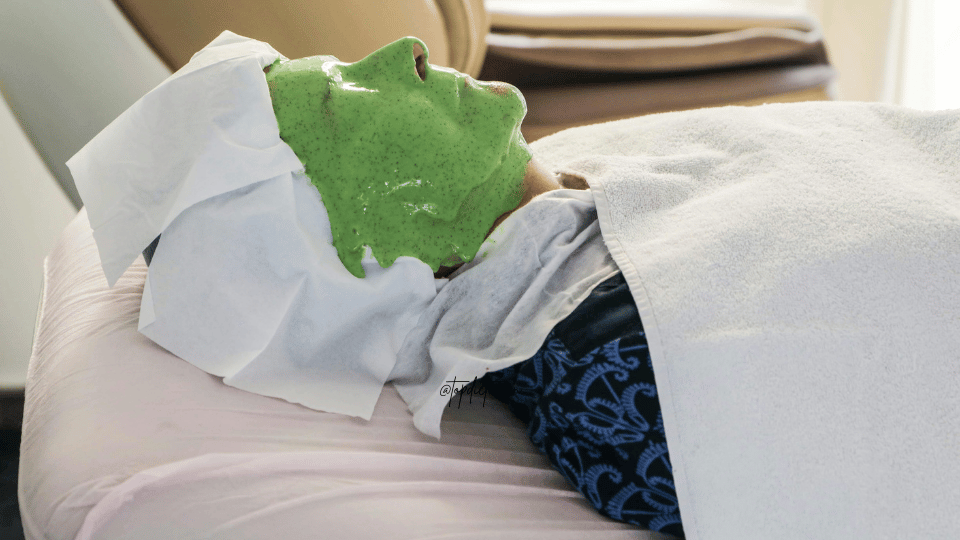
Dry skin loses more water at night.
A smart routine stops tightness, flakes, and redness by morning.
Each step builds support for your barrier and keeps moisture locked in while you sleep.
Step 1 — Remove Makeup Without Stripping the Skin
Makeup removal sets the tone for your night routine.
The eye area is thin, so harsh rubbing can trigger irritation quickly.
This matters a lot if you wear eye makeup for close set eyes, because blending near the inner corner pulls on delicate skin.
Use a gentle makeup remover that melts pigment without tugging.
Let the balm sit on your skin before wiping.
Soft removal protects lashes and keeps the sensitive eye area calm at night.
Step 2 — Choose the Right Hydrating Cleanser
Dry skin needs a cleanser that adds moisture.
A hydrating cleanser or a non-foaming cleanser keeps your barrier safe.
Foaming formulas strip oils, which worsens tightness.
Here is a clear comparison using CeraVe cleanser vs Cetaphil Insights:
Comparison Table
| Cleanser | Best For | Key Ingredients | Why It Works at Night |
|---|---|---|---|
| CeraVe Hydrating Cleanser | Very dry skin | Ceramides, Hyaluronic Acid | Repairs the barrier and reduces tightness |
| Cetaphil Daily Facial Cleanser | Dry sensitive skin | Panthenol, Niacinamide | Cleans without stripping or irritating |
CeraVe hydrates with ceramides and HA.
Cetaphil calms skin with soothing panthenol and niacinamide.
Both support dry skin but work differently.
Source: CeraVe; Source: Cetaphil
Step 3 — Use Hyaluronic Acid on Damp Skin
Hyaluronic acid binds water and boosts hydration.
It works best when applied to damp skin.
Dry application reduces its water-binding strength.
People often look for a hyaluronic acid serum recipe, and a simple one works well.
Mix sodium hyaluronate powder with distilled water.
Shake until a gel forms.
Rest it overnight.
Apply a thin layer right after cleansing.
This humectant pulls water into the skin and prepares your barrier for a richer night cream.
Step 4 — Add a Nourishing Repair Serum (Optional but Powerful)
Dry skin heals faster with ingredients that strengthen the barrier.
A good repair serum uses peptides for firmness, niacinamide for redness, and vitamin B5 for comfort.
These ingredients support nighttime repair and help calm irritation from cold weather or over-cleansing.
They build a stronger foundation for your night cream to work effectively.
Source: Harvard Health
Step 5 — Apply a Rich Night Cream to Seal Moisture
Dry skin needs a thick, emollient cream at night.
Creams seal water better than gels and soften rough patches.
A CeraVe moisturizer works well because it uses ceramides.
Ceramides rebuild the wall that protects your skin from water loss.
Hyaluronic acid inside the cream adds extra hydration.
Skin wakes up soft, cushioned, and smooth.
Step 6 — Optional Occlusive Layer (“Slugging”) for Extreme Dryness
Slugging locks moisture inside the skin by creating a protective layer.
A thin coat of petroleum jelly works well when dryness feels intense.
This step supports barrier repair overnight.
It helps cracked or irritated skin recover faster.
Do not use slugs if you have acne or live in humid weather, as they trap heat and oil.
Keep it simple and use slugging only when your skin feels overwhelmed.
Step 7 — Care for Your Eye Area (Often Ignored in Dry Skin Routines)
The eye area dries out faster than the rest of your face.
This leads to creasing under makeup and early fine lines.
Tap a light eye cream under the eyes at night.
Avoid pulling the skin.
Hydration here helps makeup blend better, especially for looks like eye makeup for close set eyes.
It also protects the lash line and reduces irritation around the lids.
How Ingredients Affect Dry Skin Overnight (Science-Backed Overview)
Dry skin needs steady support through the night.
The skin loses more water while you sleep, so each ingredient must hold moisture, protect the barrier, and prevent irritation.
Here is what the core ingredients do for dry skin in real time.
Ceramides — Restore the Barrier
Ceramides act like strong walls on your skin.
They fill gaps that form from dryness and cold weather.
When the barrier is strong, moisture stays in longer.
This is why a CeraVe moisturizer feels rich and steady.
Ceramides also calm redness caused by friction or harsh cleansers.
Dry skin heals faster when the barrier is kept tight and supported.
Source: American Academy of Dermatology
Hyaluronic Acid — Builds an Immediate Hydration Layer
Hyaluronic acid draws water into the skin.
It holds that water through the night to keep the face soft.
It works best when placed on damp skin.
People often use a hyaluronic acid serum recipe, but the action stays the same: it binds water.
This hydration cushion reduces tightness and improves how night creams spread.
Skin looks fuller by morning because the water stays locked in.
Source: Cleveland Clinic
Glycerin — The Deep, Steady Humectant
Glycerin pulls moisture from the air and holds it on the surface.
It works well in dry climates where skin loses water fast.
This ingredient supports overnight repair by keeping the top layer smooth.
It also improves the glide of creams, which reduces rubbing.
Dry skin responds well to glycerin because it strengthens moisture retention without irritation.
Source: Healthline
Vitamin E — Antioxidant Protection for Dry Skin and Lashes
Vitamin E protects skin from dryness caused by environmental stress.
It softens tight areas and supports the skin’s outer layer.
This helps creams work better through the night.
People often ask does vitamin e help eyelashes grow.
Vitamin E does not speed lash growth, but it protects lash hairs from breakage caused by dryness.
This keeps the lash line full and reduces shedding.
Vitamin E also supports the skin under the eyes, where dryness forms faster.
Night Routine Mistakes Making Dry Skin Worse
Dry skin weakens fast when simple mistakes stack up.
These errors strip oil, drain moisture, and slow barrier repair.
Fixing them brings quick relief by morning.
Common Mistakes to Avoid
- Overwashing the face at night.
Too much cleansing removes natural oils the skin needs for repair.
This creates tightness and increases overnight water loss.
- Using hot water during cleansing.
Hot water pulls lipids out of the skin surface.
It breaks the barrier faster than cold air in winter.
Use lukewarm water to protect the skin.
Source: Cleveland Clinic
- Choosing fragrance-heavy night products.
Fragrance irritates dry skin and triggers micro-inflammation.
These tiny reactions cause more flakes and redness by morning.
Fragrance-free formulas protect the barrier. - Applying hyaluronic acid on dry skin.
Hyaluronic acid needs water to work.
When used on dry skin, it pulls water from deeper layers.
This makes dryness worse and tightness stronger.
Always apply it on damp skin.
Source: Harvard Health
- Skipping moisturizer after serums.
Serums hydrate but never seal water in.
Dry skin loses moisture within minutes without a cream.
A rich moisturizer locks hydration in place overnight. - Not cleaning makeup brushes.
Dirty brushes hold oils, bacteria, and old pigments.
These irritate dry skin and clog follicles.
Clean brushes weekly to protect the barrier.
Product Comparison Table — Best Products for Dry Skin at Night
Dry skin needs steady hydration at night.
Your barrier weakens after sunset and loses more water as you rest.
These products support repair, comfort, and long-lasting moisture.
Comparison Table for Night Care
| Category | Best Option | Why It Works | Skin Type Match |
|---|---|---|---|
| Cleanser | CeraVe Hydrating Cleanser | Ceramides + HA rebuild the barrier | Dry, tight skin |
| Cleanser | Cetaphil Daily Facial Cleanser | Panthenol + Niacinamide calm irritation | Sensitive dry skin |
| Moisturizer | CeraVe Moisturizing Cream | Deep repair with ceramides | Very dry skin |
| Serum | Hyaluronic Acid Serum | Strong hydration boost | All dry skin types |
CeraVe Hydrating Cleanser
This cleanser supports dry skin well at night.
Ceramides rebuild the barrier.
Hyaluronic acid pulls water in and reduces tightness.
Skin feels softer before the next step.
Cetaphil Daily Facial Cleanser
This cleanser works for sensitive dry skin.
Panthenol soothes irritation.
Niacinamide evens tone and calms redness.
It cleans without stripping the natural oils.
CeraVe Moisturizing Cream
This cream gives deep repair overnight.
Ceramides strengthen the barrier.
The formula reduces morning flakes and rough patches.
Great for cold weather or indoor heating.
Hyaluronic Acid Serum
This serum boosts hydration fast.
It helps the night cream lock water in.
Skin looks smoother and less dull by morning.
Works for all dry skin levels.
How to Hydrate Dry Skin Overnight (Fast & Safe Methods)
Dry skin needs steady water and strong barrier support at night.
Overnight hydration works best when you trap moisture and stop water loss.
These steps answer common search questions like “How to hydrate dry skin overnight” and “Fix dry skin quickly.”
Method 1 — Use a Humidifier While You Sleep
Dry air pulls water out of your skin.
A humidifier fixes that fast.
It adds moisture back into the room.
Your skin holds water better when the air is moist.
This works well in winter or air-conditioned homes.
Method 2 — Add an Occlusive Layer Before Bed
Occlusives trap moisture inside the skin.
This helps skin stay soft until morning.
A thin layer of petroleum jelly over your night cream can repair deep dryness.
This method works when skin feels cracked or rough.
Do not use occlusives if you have active acne.
Source: Dermatology Times
Method 3 — Use Barrier-Restoring Creams
Barrier damage causes flakes, redness, and tightness.
A good barrier cream fixes this overnight.
Ceramides rebuild the skin’s wall.
Fatty acids hold water inside the barrier.
A thick cream makes skin feel calm by morning.
Ceramide-rich formulas are common in dermatologist-approved moisturizers.
Method 4 — Apply a Hydrating Serum on Damp Skin
A hydrating serum pulls water into the skin.
This works best when applied on damp skin.
Hyaluronic acid binds water, keeping skin plump throughout the night.
This reduces tightness and improves texture by morning.
People often search for “hyaluronic acid serum recipe,” but stabilized serums last longer and work more evenly.
Method 5 — Drink Water and Use Electrolytes in the Evening
Internal hydration supports the skin barrier.
Low water intake increases overnight dryness.
Electrolytes help water move into your skin cells faster.
A single glass before bed supports moisture balance.
Method 6 — Avoid Harsh Cleansers Before Bed
Dry skin gets worse with strong foaming cleansers.
Choose hydrating formulas instead.
Products like CeraVe Hydrating Cleanser or Cetaphil Gentle Cleanser support the barrier at night.
A gentle cleanse helps serums and creams work better.
Method 7 — Use a Warm, Not Hot, Nighttime Shower
Hot water strips natural oils fast.
Warm water protects the skin.
End the shower with a moisturizer within three minutes.
This traps water inside your skin and boosts overnight softness.
FAQs
What is the best nighttime routine for dry skin?
The best routine keeps water in the skin and protects the barrier.
Start with a gentle makeup remover.
Use a hydrating cleanser that does not foam.
Apply hyaluronic acid on damp skin.
Add a repair serum if your skin feels tight.
Seal everything with a rich night cream that holds moisture.
This routine stops water loss while you sleep.
Is CeraVe or Cetaphil better for dry skin at night?
CeraVe works better for dry skin at night.
Its ceramides repair the barrier.
Its hyaluronic acid pulls water into the skin.
Cetaphil helps sensitive skin but does not repair the barrier as well.
For deep hydration, CeraVe gives stronger overnight results.
Should I use hyaluronic acid at night or morning?
Use hyaluronic acid at night and morning.
It pulls water into the skin when the surface is damp.
Night use works well because skin loses more water during sleep.
Morning use helps makeup sit smoother and reduces dry patches.
Both times support deep hydration.
Is vitamin E good for dry skin?
Yes, vitamin E helps dry skin.
It reduces inflammation and strengthens the barrier.
It softens rough patches and protects the skin from damage.
People with dry skin often feel smoother texture after steady use.
How long does it take to fix dry skin?
Dry skin improves within one week with the right routine.
Barrier repair takes two to six weeks.
Healing is faster when you use ceramides, hyaluronic acid, and a thick night cream.
Avoid over-washing and harsh exfoliants during this time.