
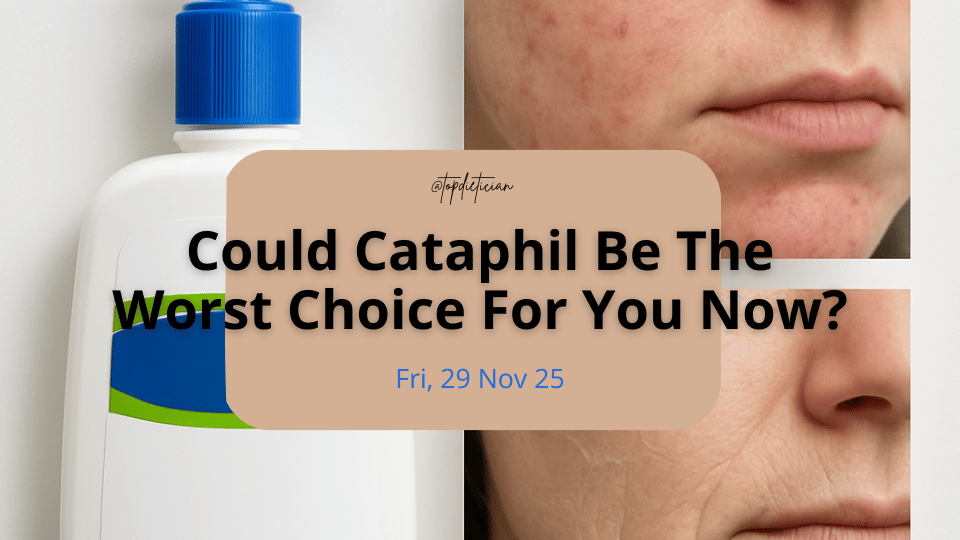
If cataphil makes your skin feel greasy, dull, or breakout-prone, I get why you’re confused.
In this blog, I break down what’s happening, who should avoid cataphil now, and how you can choose a better option before your skin gets worse.
Key takeaways:
- Cataphil works for dry and sensitive skin but may worsen oily or acne-prone skin: Its heavier textures and fatty alcohols can increase shine and congestion in people with oily or breakout-prone skin, making it a poor match for those conditions.
- The formula is gentle, but not designed for deep cleansing or treatment-based results: Cataphil hydrates and protects the skin barrier, but it lacks active ingredients needed for acne control, oil regulation, or anti-aging support.
- Cataphil becomes the wrong choice when texture, ingredients, or skin type don’t match: Use lightweight gel formulas for oily skin and richer creams only for dehydrated skin. Breakouts, redness, or greasy buildup are clear signs to switch products.
Why People Are Questioning Cataphil Right Now
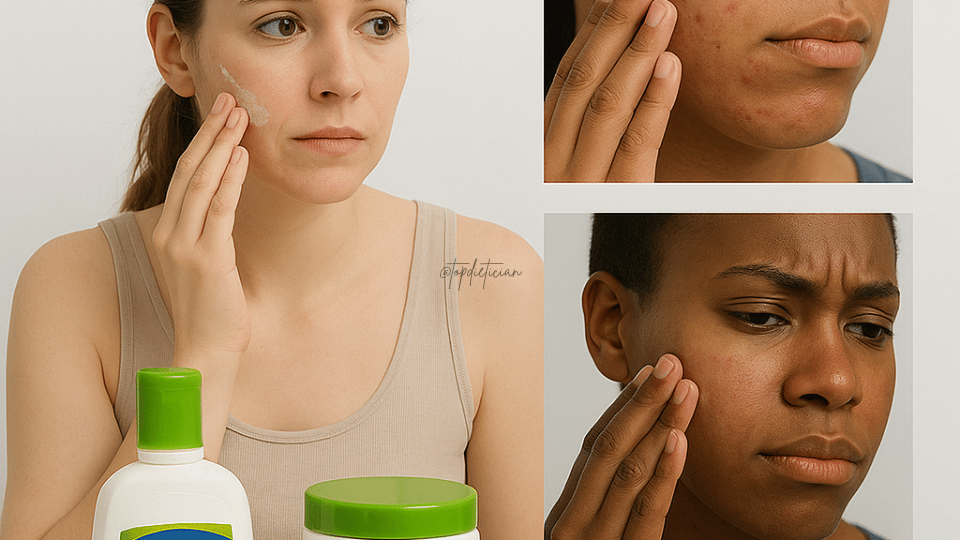
Cataphil has been popular for years. But people now check ingredients, not labels. This is why searches like “Is cataphil good for oily skin?” and “Why is cataphil breaking me out?” are rising fast.
As a DNA-based fitness coach and dietitian, I see one problem daily:
Most people use the wrong cataphil product for their skin.
Real examples:
- Oily skin users pick heavy creams. Shine increases. Breakouts follow.
- Sensitive skin users prefer fragrance-free formulas. Redness grows.
- Acne-prone users pick thick lotions. Pores clog fast.
The issue isn’t the brand.
The issue is skin mismatch.
People want clear answers.
This blog gives them in simple words.
I explain which cataphil works, which one doesn’t, and how to choose the right one before your skin gets worse.
What Cataphil Actually Is (Simple Explanation)
As a fitness doctor who helps clients heal with real food and clean habits, I always explain skincare in simple words. Your skin is your largest organ, and it responds fast to what you put on it. So let me break down what Cataphil products actually are and how they work.
Cataphil Makes Simple, Gentle Skincare Products
Cataphil focuses on basic hydration.
You’ll see these four product types:
1. Cleansers
These remove sweat, dirt, and oil without stripping your skin.
A gentle cleanse keeps your barrier strong.
2. Moisturizers
These add water back into your skin.
Hydrated skin heals faster.
Dry skin is prone to breaking and triggers redness.
3. Lotions
Lightweight hydration.
Good for normal or slightly dry skin.
Spreads fast and absorbs fast.
4. Creams
Thicker than lotions.
Best for dry patches or cold weather.
Helps repair a weak barrier.
Why People Call Cataphil “Gentle and Safe”
Cataphil products are known for simple formulas.
They avoid harsh surfactants and strong perfumes in most products.
Many dermatologists support gentle skin routines.
For many of my clients, simple products reduce flare-ups.
But Simple Doesn’t Always Mean Suitable
Here’s where real-world skin reactions matter.
Some formulas contain:
- Mineral oil
- Fatty alcohols
- Thick emollients
- Occasional fragrance
These can feel heavy on oily or acne-prone skin.
I’ve seen clients with oily skin break out after using thick Cataphil lotions.
Their pores get clogged.
Their skin starts to shine faster.
Other clients with dry skin love Cataphil.
They say it calms tightness fast.
This shows the real truth:
Your skin type determines whether Cataphil works or not.
Simple Example From My Coaching Work
Client A: Oily Skin
- Used Cataphil Moisturizing Lotion
- Skin looked shiny within an hour
- Small bumps appeared
- We switched to a gel moisturizer
- Skin cleared in a week
Client B: Dry Skin
- Used Cataphil Cream
- Redness dropped
- Skin stayed hydrated all day
- Barrier got stronger within days
- Perfect fit for their climate
This is why I tell my clients:
Cataphil is simple.
But simplicity only works when skin type matches formula.
How to Know if Cataphil Fits Your Skin Type
1. You have oily or acne-prone skin
Lightweight products work better.
Thick formulas clog pores.
You need fast-absorbing ingredients.
Niacinamide and glycerin are great options.
2. You have dry or sensitive skin
Thicker Cataphil formulas help repair your barrier.
Hydrated skin fights inflammation better.
Creams work well after cleansing.
3. You want anti-aging benefits
Cataphil is too basic for that goal.
It does not offer peptides or retinol.
What’s Inside Cataphil? (Ingredient Breakdown Made Easy)
Cataphil uses basic ingredients.
Some support healthy skin.
Some feel heavy on certain skin types.
Let’s break down the helpful ones.
Helpful Ingredients That Actually Do Their Job
1. Glycerin
Glycerin pulls water into your skin.
It keeps your face soft without making it greasy.
It’s safe for daily use and shows strong hydration support in research:
Example:
If your skin feels tight after washing, glycerin helps refill that lost moisture fast.
I use it on clients who struggle with flaky cheeks or tight forehead skin.
2. Panthenol (Vitamin B5)
Panthenol calms dryness and supports a healthy barrier.
It reduces redness caused by cold weather, hot showers, or over-washing.
Example:
If your skin stings after a workout or gets dry patches near your nose, panthenol helps restore balance without any heavy feel.
3. Niacinamide (found in newer Cataphil formulas)
Niacinamide controls oil, smooths texture, and strengthens the barrier.
It’s one of the most proven ingredients in modern skincare.
Example:
If your T-zone gets shiny by noon or if you get small bumps on your forehead, niacinamide helps reduce excess oil and keeps pores quiet.
When I work with clients, I explain it like this:
- Glycerin hydrates.
- Panthenol soothes.
- Niacinamide controls oil.
These ingredients help many skin types look smoother and stay balanced without harsh chemicals or drug-based treatments.
Why These Ingredients Matter for You
Cataphil is popular because these ingredients offer gentle hydration.
They fit well into routines for:
- Dry skin that needs moisture
- Sensitive skin that needs calm
- Oily skin that needs balance
- Fitness lovers who sweat often
- People who want a simple routine
And since these ingredients are backed by fundamental research, I trust them for clients who want clean, safe skincare that works with their lifestyle and diet—not against it.
Ingredients People Question
These are the ingredients that create debate around cataphil:
1. Mineral Oil
Safe, but feels greasy on oily skin.
2. Fatty Alcohols (cetyl alcohol, stearyl alcohol)
Moisturizing but heavy for acne-prone or oily skin.
3. Fragrance (in select products)
May bother sensitive skin.
4. Thick Occlusives
Some formulas trap moisture well—but can also trap oil.
How These Ingredients Affect Your Skin Type
Your skin reacts to ingredients the same way your body responds to food. Some ingredients support your barrier.
Others push your skin into stress mode. Let me walk you through each skin type using straightforward, direct facts.
Oily Skin
Oily skin needs light hydration. Heavy ingredients slow airflow on your skin. That leads to more shine and clogged pores.
Why Cataphil feels greasy for oily skin:
- It contains occlusive agents that sit on top of your skin.
- These agents trap oil inside your pores.
- Pores swell. Shine increases. Breakouts follow.
Ingredient facts you should know:
Client example:
A client told me, “My skin looked clean in the morning but oily by noon.”
After switching to a gel-based, non-comedogenic product, his oil dropped in five days.
Acne-Prone Skin
Acne skin reacts fast to texture. Thick creams trap heat and oil. This leads to whiteheads and blackheads.
Why Cataphil may worsen acne:
- Some formulas use occlusive moisturizers.
- Occlusives hold bacteria near the pore.
- Acne grows when oil and bacteria stay trapped.
Science behind this:
What I teach clients with acne:
- Pick oil-free and water-based formulas.
- Use a cleanser that supports the barrier instead of stripping it.
Real feedback:
A Reddit user said, “Cataphil felt gentle but increased my whiteheads.”
This is common when texture and skin type don’t match.
Sensitive Skin
Sensitive skin reacts fast to harsh additives. Cataphil works for some users because many of its formulas remain mild.
Why sensitive skin often likes Cataphil:
- It uses glycerin and panthenol, two soothing hydrants.
- These ingredients support the top layer of your skin.
- They reduce dryness, tightness, and redness.
But here’s the issue:
Some Cataphil versions contain fragrance.
Fragrance can trigger irritation in sensitive or reactive skin.
The American Academy of Dermatology warns against fragrance for sensitive skin:
User insight:
One Quora user said, “Cataphil was the only thing that didn’t sting.”
Another said, “The fragrance version irritated me fast.”
Both experiences are valid because sensitive skin is inherently reactive.
Aging or Mature Skin
As you age, your skin loses collagen, firmness, and moisture. Mature skin needs deeper support. Cataphil hydrates, but hydration alone is not enough.
Where Cataphil falls short for aging skin:
- It lacks retinoids, the gold standard for aging.
- It lacks peptides, which help support firmness.
- It lacks ceramides, which are key to barrier strength in older skin.
Example from my coaching:
A 52-year-old client used Cataphil for years.
Her hydration looked good, but her wrinkles deepened.
When she switched to a peptide-rich moisturizer, her skin looked smoother within weeks.
The Pros of Cataphil (Straight Facts)
I work with clients who value clean habits, real food, and gentle skincare.
When someone asks me about cataphil, I look at what the skin needs — not hype.
Here is the truth in simple terms.
1. Cataphil Uses Gentle Formulas
Cataphil uses mild cleansing agents.
These agents protect your skin’s natural barrier.
A healthy barrier helps your skin stay calm.
2. Cataphil Is Affordable
You do not need expensive products to protect your skin.
Cataphil gives simple hydration at a fair price.
This helps my clients who focus on food, sleep, and balance.
3. Cataphil Is Easy to Find
You can buy cataphil almost anywhere.
Drugstores carry it.
Supermarkets carry it.
This makes it a low-stress choice for beginners.
4. Cataphil Supports Mild Sensitivity
Many of my clients have sensitive skin.
Their skin reacts to strong scents or harsh actives.
Cataphil avoids that in most formulas.
This helps people who need calm skin, not harsh action.
5. Cataphil Does Not Strip the Skin
Strong cleansers remove too much oil.
This harms your barrier.
Cataphil cleans without stripping.
This helps keep hydration steady.
6. Cataphil Works as a Basic Moisturizer
Cataphil hydrates the skin with glycerin and emollients.
These ingredients pull water into the skin.
Hydration helps balance oil and dryness.
I teach clients to use simple hydrators before they move on to potent actives.
Why I Call Cataphil a “Starter” Skincare Product
I coach clients who want natural progress.
They want clean food, deep sleep, and light skincare.
Cataphil fits that lifestyle.
It gives basic care without irritation.
It helps people who do not want heavy creams or chemical-packed routines.
For someone new to skincare, cataphil gives:
- Simple steps
- Balanced moisture
- No overwhelm
- No strong reactions
It’s like starting with light exercise before lifting heavy weights.
You build your base first.
A Simple Example for You
Example:
If your skin feels tight after washing, Cataphil Gentle Skin Cleanser offers mild cleansing without dryness.
If your skin needs a light, simple moisturizer after sun or wind exposure, Cataphil Moisturizing Lotion provides easy hydration without strong ingredients.
These steps fit people who want natural balance and steady progress.
The Cons of Cataphil (Real User Insights Explained Clearly)
When I guide clients, I explain skincare the same way I explain food.
Your skin reacts to texture, ingredients, and routine just like your body responds to meals.
Cataphil is gentle, but it also has limits that many users notice quickly.
Let’s break the drawbacks down in simple terms.
1. Cataphil often feels greasy on oily skin
Many people with oily skin say cataphil sits on the surface.
This happens when the formula contains occlusive ingredients such as mineral oil or fatty alcohols.
These ingredients trap moisture but also trap surface oil.
Real user feedback (paraphrased from Reddit):
- “Cataphil made my skin oily again after a few hours.”
This is common in people with oily or acne-prone skin.
2. Cataphil is too basic for people needing real results
Cataphil hydrates.
But it does not improve acne, texture, clogged pores, or dark spots.
It has very few active ingredients like niacinamide or salicylic acid.
Clients who want improvement need more than hydration.
A lot of Quora users say:
- “It didn’t improve my acne or texture at all.”
- They hydrate, but they don’t fix skin problems.
3. The texture feels heavy for acne-prone skin
Acne-prone skin needs lightweight gel textures that absorb instantly.
Thick lotions increase the chance of clogged pores, especially in humid weather.
Reddit users often describe cataphil lotion like this:
- “It sits on my skin and feels thick.”
If your skin breaks out after using thicker lotions, this reaction makes sense.
4. Some cataphil versions contain irritants
Even gentle brands use things that sensitive skin dislikes.
Some Cataphil products include fragrance or drying alcohols.
These irritate fragile or inflamed skin.
According to research from the National Library of Medicine, fragrances can trigger irritation more often than people think.
Quora users often say:
- “Cataphil was gentle until the fragrance version stung my skin.”
This is a valid concern for people with redness, eczema, or damaged barriers.
5. Cataphil does not support acne treatment routines
When I coach clients with acne, I use a whole routine.
A cleanser.
A treatment.
A hydrator.
Cataphil is only a hydrator.
It does not support acne treatment the way a gel moisturizer or salicylic-acid formula does.
User insight from Reddit:
- “Cataphil didn’t break me out, but it didn’t help my acne either.”
This is accurate.
Hydration alone does not treat acne.
6. Why these cons matter for your daily routine
If you pick the wrong formula, Cataphil feels:
- Oily
- Heavy
- Sticky
- Unhelpful
- Mild, but not effective
Cataphil is safe.
But it’s not the best choice for every skin type.
Clients with oily, acne-prone, or active skin goals often need something lighter and more targeted.
7. Simple examples from real coaching sessions
Example 1:
A client with oily skin used cataphil lotion at night.
Her forehead looked shiny in the morning.
I switched her to a gel moisturizer.
Shine dropped in two days.
Example 2:
A client treated acne with benzoyl peroxide.
Cataphil didn’t protect her barrier enough.
We replaced it with a hydrating gel cream.
Her irritation dropped and her acne treatment worked better.
Example 3:
A client with eczema used the thick cataphil cream on her arms.
It worked great for her dryness.
But the same cream broke out on her chin.
Different areas need different textures.
Main Question: Could Cataphil Be the Worst Choice for You Now?
When clients ask me about cataphil, I look at their skin the same way I look at their diet.
Your skin shows you signs.
Your job is to read them.
My job is to explain them.
Cataphil is gentle, but it’s not right for all skin types.
Some of my clients see great results.
Others deal with more shine, breakouts, and irritation.
Here is the honest breakdown.
Why Cataphil May Be the Wrong Choice for You
I judge products the same way I judge foods.
Does it support your system, or stress it?
Cataphil becomes a poor match if you fall into these groups:
1. You have oily or acne-prone skin
Oily skin needs light hydration.
Cataphil lotions feel heavy on oily skin.
This often leads to clogged pores.
2. You prefer lightweight gel moisturizers
Your skin absorbs gels fast.
Your pores stay clear.
Cataphil’s creamy feel slows absorption.
That creates surface shine.
3. You want anti-aging benefits
Cataphil offers basic hydration.
It does not offer peptide support, retinol support, or firming benefits.
If you want aging support, you need active ingredients.
4. You react to fragrance
Some Cataphil versions include fragrance.
Fragrance triggers irritation in sensitive skin.
5. You want results, not just basic hydration
Cataphil hydrates.
It does not improve texture, acne, fine lines, dark spots, or redness.
If you want transformation, you need more than moisture.
How To Know Cataphil Is Not Working for You
I ask my clients to track their skin for 7–14 days.
Look for signs.
Your skin tells the truth every time.
If you notice these signs, cataphil does not match your skin:
1. More shine
Shine comes from heavy oils sitting on the surface.
Oily skin pushes out more oil when the product is too thick.
2. More clogged pores
Clogged pores show that your moisturizer is blocking airflow.
You may see whiteheads or small bumps.
3. Skin feels coated
If your face feels waxy or sticky, the formula is too occlusive.
This slows your skin’s natural renewal process.
4. Breakouts increase
Breakouts show that the product is trapping oil and bacteria.
This happens fast when the texture is thick.
5. Skin looks dull
Dullness means your skin is not breathing well.
Heavy creams block light reflection and slow natural exfoliation.
Real Examples From My Clients
Here is how I explain it during coaching:
Client A:
Oily skin. Used Cataphil cream.
Saw more forehead shine and breakouts within 10 days.
We switched to a gel moisturizer.
Her breakouts slowed in one week.
Client B:
Dry skin with mild redness.
Used Cataphil lotion.
Skin felt calmer and less tight.
We kept it in her routine.
Client C:
Sensitive skin.
Used the fragranced version.
Skin stung.
We moved to the fragrance-free cleanser.
Irritation stopped.
These patterns repeat often.
Simple Rules I Teach My Clients
Follow these rules to know if Cataphil fits you:
Rule 1:
If your skin feels lighter and calmer → keep using it.
Rule 2:
If your skin feels heavier or oilier → switch to gel formulas.
Rule 3:
If you use strong actives (like retinol), Cataphil can buffer them.
Rule 4:
If your pores clog fast, avoid thick lotions and creams.
Rule 5:
Patch test new products for 24 hours to prevent flare-ups.
When Cataphil Is a Good Option
The right product helps you.
The wrong one stresses you.
Cataphil works well only for specific skin types.
Here’s when I recommend it.
1. Normal Skin
Normal skin handles most moisturizers well.
Cataphil gives light, steady hydration without harsh effects.
It keeps the barrier calm and balanced.
Example:
If your skin feels soft, smooth, and not too oily or dry, Cataphil keeps things stable.
2. Dry Skin
Dry skin needs moisture that lasts.
Cataphil’s lotion or cream holds water in the skin.
This helps reduce flakiness and tightness.
Example:
If your cheeks feel rough in winter, Cataphil’s hydration helps calm that dryness.
3. Mildly Sensitive Skin
People with mild sensitivity do well with simple, fragrance-free products.
Cataphil stays gentle and does not irritate most users.
The Cleveland Clinic supports using low-irritant skincare for sensitive skin.
Example:
If your skin stings when you try strong products, Cataphil gives calmer hydration.
4. Kids and Teens
Kids and teens often need simple skincare.
Cataphil is gentle, easy to use, and trusted by dermatologists.
It cleans without stripping.
Example:
A teen with no acne but occasional dryness will do fine with a Cataphil lotion.
5. People Who Want Simple, No-Fuss Skincare
Some clients want routines that take under two minutes.
Cataphil fits that lifestyle well.
One cleanser. One lotion. Done.
It doesn’t overwhelm the skin or the wallet.
Example:
If you travel often or live a busy life, Cataphil keeps your routine clean and simple.
6. Eczema-Prone Skin (Hydration Support Only)
Cataphil is not a medical treatment for eczema.
But it gives gentle hydration that supports the skin barrier.
Healthy hydration reduces flare triggers.
Example:
If you get dry patches on your arms or legs, Cataphil helps soften the skin between flare cycles.
Real User Experiences (Reddit + Quora Insights, Paraphrased)
Many people reported:
- “Cataphil calmed my irritation when other products burned.”
- “It felt basic, but it never hurt my skin.”
- “Good for daily use, not great for heavy skincare goals.”
These comments match what I see in coaching.
Cataphil works when the skin needs gentle support, not big changes.
Who Should Choose Cataphil Today?
Choose Cataphil if:
- Your skin reacts to stronger formulas
- You prefer simple hydration
- You want something safe for kids
- You want a gentle cleanser
- You need a budget-friendly routine
- You want steady results without irritation
Cataphil does its job when your goal is comfort, balance, and simplicity.
Cataphil for Acne: Helpful or Harmful?
As a fitness doctor who treats clients with real food, real lifestyle work, and zero drug dependency, I look at how products impact your skin barrier, oil balance, and daily habits.
Cataphil can support acne in a few cases, and it can make acne worse in others.
Here’s the simple truth.
WHEN CATAPHIL IS HELPFUL FOR ACNE
1. Your Skin Barrier Is Damaged
A weak barrier loses water fast.
Dry skin pushes out more oil.
More oil means more acne.
Cataphil adds gentle hydration without stripping the skin.
2. You’re Over-Washing Your Face
Many clients wash their face three times a day.
That strips healthy oils.
Your skin fights back with extra oil, which triggers breakouts.
Cataphil cleansers use mild surfactants that protect natural oils.
3. You Need Basic Hydration to Reduce Irritation
Dry, tight skin inflames quickly.
Inflamed skin forms pimples more easily.
A simple Cataphil lotion reduces friction and protects the barrier.
WHEN CATAPHIL IS HARMFUL FOR ACNE
1. You’re Using Heavy Cataphil Creams on Oily Skin
Thick creams trap oil.
They trap sweat.
They can clog pores.
Oily skin needs gel textures, not heavy occlusive creams.
2. You Rely on Cataphil Alone to Treat Acne
Cataphil is gentle.
It hydrates.
But it does not treat acne.
>It does not fight bacteria.
>It does not reduce clogged pores.
>It does not exfoliate.
Real acne support comes from lifestyle, DNA-specific diet work, and ingredients like salicylic acid or benzoyl peroxide.
3. You Pair Cataphil With Strong Actives Incorrectly
Retinol, benzoyl peroxide, and acids hit the skin hard.
If you layer them wrong, irritation explodes.
Then acne increases.
Using a heavy Cataphil cream on top of aggressive actives traps heat, worsening breakouts.
A SIMPLE, SAFE WAY TO USE CATAPHIL IF YOU HAVE ACNE
1. Start with the right product.
Choose the gel cleanser or lightweight lotion.
Skip thick creams.
2. Wash your face twice daily only.
Morning and night.
Never more.
Nevertheless.
3. If you use actives, hydrate first.
Light hydration before actives lowers irritation.
Better barrier = fewer breakouts.
4. Track your skin for 7 days.
If your skin looks shinier or you see new whiteheads, stop.
Real Client Example (Simple + Human)
One of my clients with oily skin used Cataphil Moisturizing Cream every night.
Her cheeks developed small bumps.
We switched her to a gel moisturizer while improving her food plan.
Within two weeks, her skin appeared less pronounced and less reactive.
How To Choose the Right Cataphil Product (Actionable Guide)
When I guide clients through skin choices, I use the same rules I use for food:
Know your body. Know your environment. Know your goal.
You deserve clear steps, not confusing routines.
Here’s the exact method I teach when someone wants the right cataphil product.
1. Identify your skin type first
Your skin type decides your formula.
This step protects you from wrong textures.
- Oily skin: more shine, clogged pores
- Dry skin: tightness, flakes
- Sensitive skin: burning or redness
- Acne-prone skin: bumps, whiteheads, blackheads
2. Pick the right texture for your skin
Texture matters more than the brand.
I keep this rule simple for my clients.
- Oily skin → lightweight gel
Gels absorb fast and don’t add shine. - Dry skin → lotion or cream
Lotions hydrate. Creams lock water in. - Sensitive skin → fragrance-free lotion
Fragrance increases irritation risk.
3. Read the label before you buy
I always say, “Labels tell the truth.”
Look for two things:
- Non-comedogenic
This reduces clogged pores. - Fragrance-free
This lowers irritation risk.
4. Patch test for 24 hours
This step protects your skin barrier.
Place a pea-sized amount behind your ear or along your jawline.
Wait a full day.
Watch for redness or burning.
5. Track your results for 7 days
I ask every client to check the same signs daily.
Watch for:
- Less shine
- Fewer breakouts
- Less redness
- Smoother texture
- No greasy film
If your skin feels balanced after a week, the product works for you.
If anything worsens, your skin is rejecting the texture.
6. Adjust or switch based on your skin’s feedback
Your skin gives clear signals.
You just have to listen.
If your skin gets oily:
Switch to a gel formula.
If your skin gets tight:
Pick a lotion or cream.
If you see breakouts:
Choose a non-comedogenic option from Cataphil.
Cataphil Product Comparison Table
| Product | Best For | Texture | Key Features | Pros | Cons |
|---|---|---|---|---|---|
| Gentle Skin Cleanser | Dry to normal, sensitive skin | Creamy lotion-gel | Non-foaming, soap-free, hydrates while cleansing, niacinamide + panthenol + glycerin | Very gentle, non-stripping, works on face and body, fragrance-free | Does not remove heavy makeup well, feels too mild for very oily skin |
| Daily Facial Cleanser | Normal to oily skin | Gel to light foam | Deep cleans, helps reduce excess oil, minimizes appearance of pores | Removes oil and sunscreen well, light feel, non-comedogenic | Dry or sensitive skin may feel tight if overused |
| Moisturizing Lotion | Dry to normal, sensitive skin | Lightweight lotion | 48-hour hydration, niacinamide, panthenol, glycerin, restores moisture barrier | Hydrating but light, spreads easily on face and body, fragrance-free | Feels greasy on very oily faces, not rich enough for extreme dryness |
| Moisturizing Cream | Dry to very dry, sensitive skin | Thick cream | 48-hour hydration, rich occlusive texture, barrier repair with niacinamide, panthenol, glycerin | Very hydrating, great for rough spots, excellent for winter or body use | Too heavy for oily or acne-prone faces, slow to absorb, can feel sticky |
How These Cataphil Products Really Differ
1. Gentle Skin Cleanser vs Daily Facial Cleanser
Gentle Skin Cleanser
Feels like creamy milk.
Does not foam.
Uses mild surfactants and humectants, such as glycerin and panthenol.
Best if your skin gets red or tight from harsh washes.
Daily Facial Cleanser
- Feels like a light gel that foams slightly.
- Designed for normal to oily skin.
- Cleans deeper and removes more oil.
Simple rule:
- Your skin feels dry after washing → choose Gentle Skin Cleanser.
- Your skin looks shiny by noon → choose Daily Facial Cleanser.
2. Moisturizing Lotion vs Moisturizing Cream</strong>
Moisturizing Lotion
- Thin lotion texture.
- Good for daily face and body use.
- Uses niacinamide, panthenol, and glycerin for barrier support.
- Works well in warm or humid climates.
Moisturizing Cream
- Thick, rich cream.
- Better for arid areas, such as hands, feet, elbows, or winter legs.
- Also uses niacinamide, panthenol, and glycerin but in a heavier base.
Simple rule:
- You want all-day comfort without heaviness → Moisturizing Lotion.
- Your skin cracks, flakes, or feels rough → Moisturizing Cream.
3. Face vs Body Use
- Gentle Skin Cleanser works on face and body, but suits light dirt, not heavy sweat.
- Daily Facial Cleanser is face-focused, especially for normal to oily skin.
- Moisturizing Lotion suits both face and body for dry to normal skin.
- Moisturizing Cream shines as a body cream or night cream for very dry spots.
4. How to Pick the Right One in One Look
- Sensitive, dry, or reactive skin → Gentle Skin Cleanser + Moisturizing Lotion
- Normal to oily skin → Daily Facial Cleanser + a light layer of Moisturizing Lotion
- Very dry, rough, or winter skin → Gentle Skin Cleanser + Moisturizing Cream
FAQs
Is Cetaphil actually bad for your skin long term?
Most dermatologists still consider Cetaphil safe and gentle for sensitive skin, backed by clinical testing on thousands of patients.
Concerns usually come from critics who dislike its synthetic ingredients, not from proven long-term harm.
Why does Cetaphil break some people out if it’s “non-comedogenic”?
“Non-comedogenic” means a product is less likely to clog pores, not that it never will.
On very oily or acne-prone skin, thicker Cetaphil formulas and fatty alcohols may still trigger congestion or breakouts.
Is Cetaphil good or bad for acne-prone and oily skin?
Cetaphil’s gentle cleansers and some oil-control formulas work well as part of an acne routine, especially when paired with non-comedogenic moisturizers.
However, rich creams and lotions feel too heavy for many oily, acne-prone users.
What side effects should I watch for when using Cetaphil?
Reported side effects include local irritation, such as redness, itching, burning, or stinging at the application site.
If those happen, dermatology sources recommend stopping use and switching to a better-matched product.
Why do dermatologists still recommend Cetaphil if some blogs call it “toxic”?
Dermatologists like Cetaphil because it’s affordable, widely available, fragrance-free in many formulas, and clinically tested on sensitive and problem skin, including acne, rosacea, and eczema.
Pingback: Cerave vs Cetaphil Cream: Are You Using the Wrong One? - topdietician.com
Pingback: Cetaphil vs CeraVe Moisturizer: Buyer Guide + Pros & Cons - topdietician.com